|
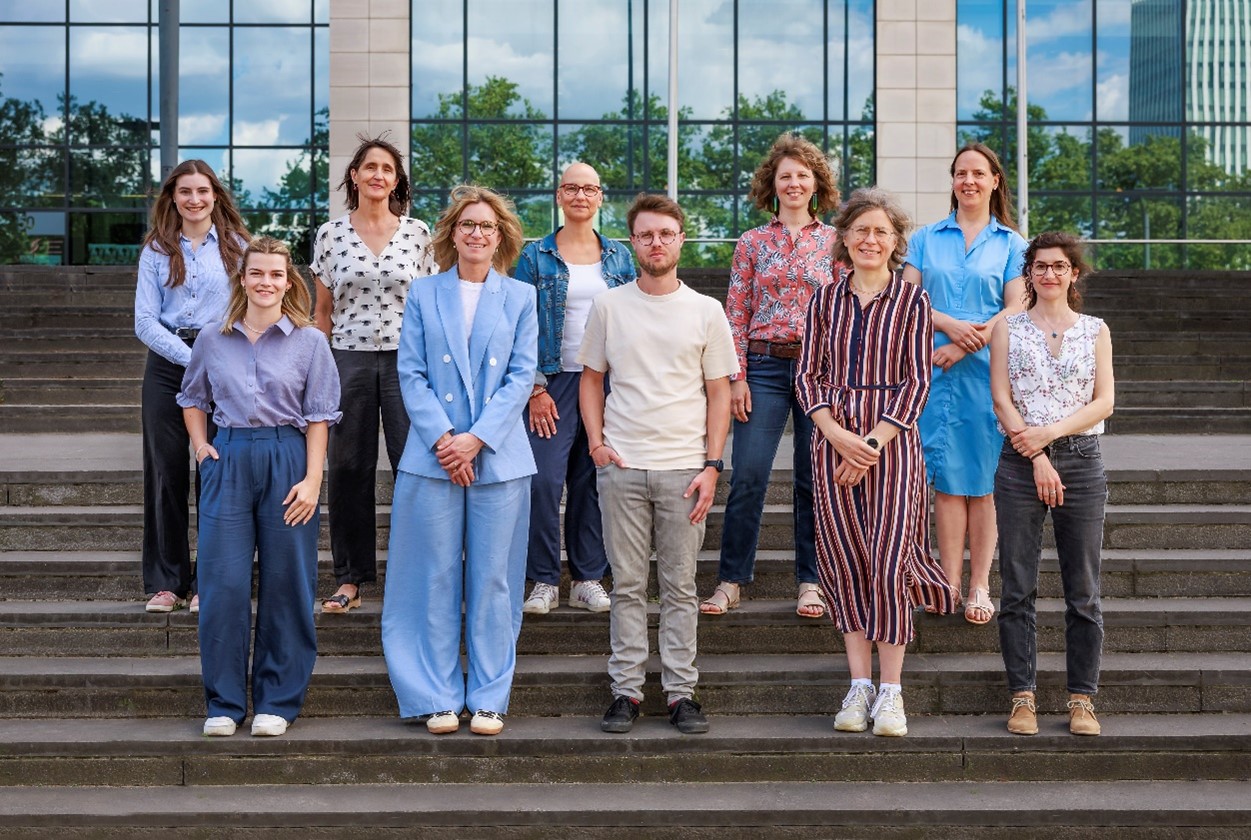
| NEED is a 3-year research project aiming to identify and measure unmet health-related needs for a more needs-driven healthcare policy and innovation. |
|
|---|
Newsletter #7Autumn 2025 |
|
|---|
We are pleased to share some updates regarding the NEED (Needs Examination, Evaluation, and Dissemination) project. We are proud to announce the publication of the two new reports: a protocol to support researchers in conducting NEED studies and to provide answers to frequently asked questions, and a toolbox offering the necessary instruments for the proper implementation of the protocol. We also gave the NEED database a makeover and expanded the dataset by including data from the Belgian National Burden of Disease Study, strengthening its foundation for future research and policy development. Happy reading! The NEED team
| |
|
|---|
|
| - Two major documents, i.e. the Protocol for NEED research projects and the NEED Research Toolbox have been published to support the standardized assessment of unmet health-related needs.
- The NEED database has been updated with a new layout, including separate tabs for qualitative and quantitative estimates of unmet health-related needs. In addition, a tutorial has been developed to improve user friendliness and support users in navigating through different tabs and exploring the estimates. Finally, estimates from the Belgian National Burden of Disease Study have been included to the NEED database, expanding the database from 3 to more than 80 health conditions.
|
| NEED presentations
| | - On the 12th of September Charline Maertens presented the NEED project at the Dansk Selskab for Sundhedsøkonomi Workshop organised by Syddansk Universitet.
- The NEED Steering Committee meeting took place on 28 October 2025. During the meeting, the team presented the progress of the NEED initiative and highlighted the growing external interest, while emphasising the need for stronger stakeholder engagement, clearer UMN definitions, and faster data collection. Upcoming priorities include advancing ongoing case studies, preparing for the 28 November Symposium, and securing future funding through Horizon Europe.
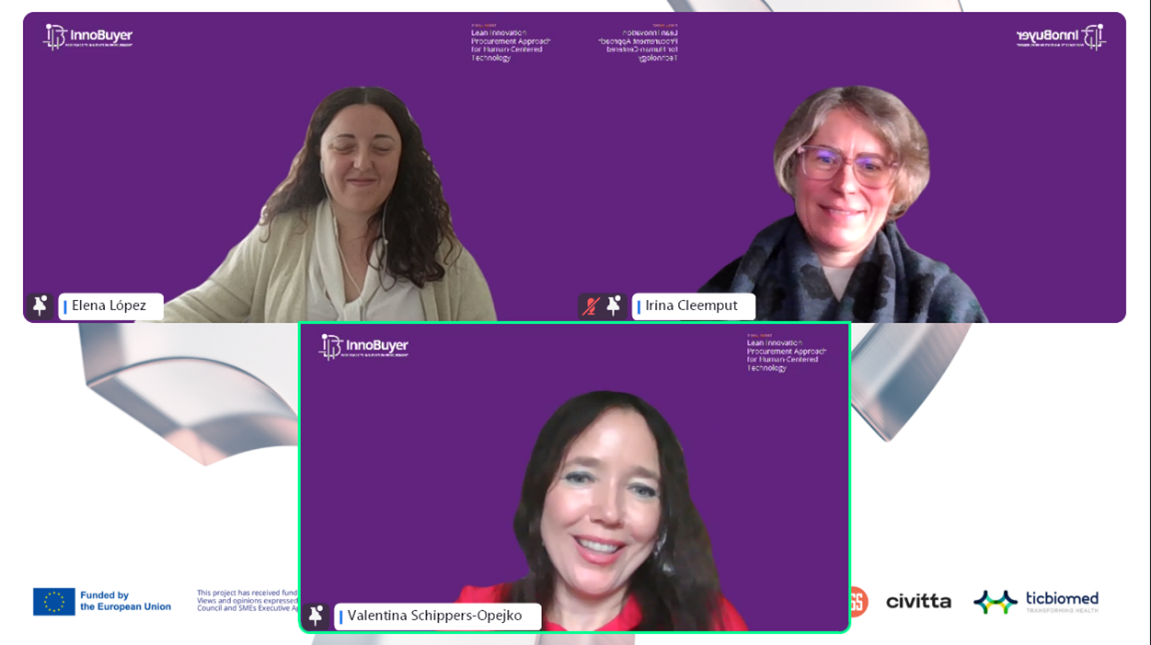
- On 12 November 2025, Irina Cleemput spoke about NEED at the Tech for Humanity Forum, the final event of the InnoBuyer project, supported by the EIC Innovation Procurement Programme. The Forum presented the outcomes of the InnoBuyer project and fostered discussion on how demand-driven innovation and public procurement can better address human-centered challenges. It brought together public and private procurers, startups, policymakers, and innovation procurement experts to share knowledge and inspire action. Irina made the link with the NEED project: the importance of scientifically correctly identifying unmet patient and societal needs as the foundation for impactful innovation in healthcare.
| | | | - The NEED team organised a scientific session titled “Towards a more needs-driven healthcare policy and innovation system” at the 18th European Public Health Conference in Helsinki. Chaired by Robby De Pauw (Sciensano) and Julie Paradis (KCE), the session highlighted how better understanding of unmet needs can inform evidence-based policy and innovation. Presentations covered the NEED protocol and toolbox (Charline Maertens de Noordhout, KCE), integration of national health data into the NEED database (Rani Claerman, Sciensano), the role of patient involvement in defining and addressing unmet needs (Claudia Louati, European Patients’ Forum), and the STEPS approach for mapping unmet needs to guide policy and innovation (Ivo Rakovac, WHO European Region).
| |
| What we are reading? |
|
|---|
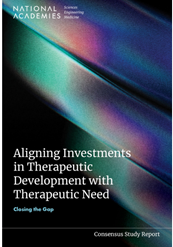
| Aligning Investments in Therapeutic Development with Therapeutic NEED: Closing the Gap The report highlights a persistent mismatch between biomedical R&D investments and actual public health needs in the U.S. The report found that many high-burden diseases lack adequate therapeutic development, revealing systemic misalignment. The report also emphasizes the need for improved data infrastructure to track disease burden and unmet medical needs, enabling more effective resource allocation. It calls for coordinated efforts across public and private sectors to align investments with therapeutic gaps. Policy reforms, targeted funding, and aligned incentives are proposed to ensure that therapeutic development addresses the areas of greatest need. By National Academies of Sciences, Engineering, and Medicine. 2025. Washington, DC: The National Academies Press. https://doi.org/10.17226/29157 |
|
|---|
What can early HTA bring to needs-based innovation? The article “What Can Early HTA Bring to Needs-Based Innovation?” explores how early health technology assessment (HTA), conducted during the early stages of development, can align innovations with real health system needs. By identifying unmet needs, anticipating barriers, and involving stakeholders early, early HTA helps guide R&D, design, and investment decisions.
By Joan Fliba-Reixachs, International Journal of Technology Assessment in Health Care, 41(1), e46, 1–2 https://doi.org/10.1017/S0266462325100299 |
| |
|---|
| | - A comprehensive ethical analysis exploring the ethical implications of the NEED initiative is underway.
- The KU Leuven team is analysing the findings from the NEED case study on psychotic disorders, with a full report in preparation.
- We are adapting the NEED assessment framework and NEED tools to better capture unmet health-related needs in paediatric populations.
- In collaboration with B12 consulting, we are exploring how artificial intelligence can support the retrieval of data from grey literature.
- We are preparing to integrate data from the Belgian Health Interview Survey (Sciensano) into the next update of the NEED database.
|
| |
|
|---|
| Related activity and opportunity | InnoHSupport is an EU-funded project that helps organisations in the health space to find solutions to address unmet needs through open innovation practices. Those with an identified unmet need can receive coaching to advance in the process of solving the problem. For example, by scouting and selecting an external partner (e.g. SME or startup) to jointly co-develop a suitable solution. The project can also help to identify funding opportunities that are available to entrepreneurs but not to other entities. Learn more here and/or contact the Ticbiomed team, coordinators of this coaching programme. | |
|
|---|
NEED is financially supported by the Belgian Federal Science Policy (BELSPO) through the INFRA-FED call. |
|
|---|
|
|